Personal Training During Menopause Near Swedesboro
Menopause: Why Strength Training Matters
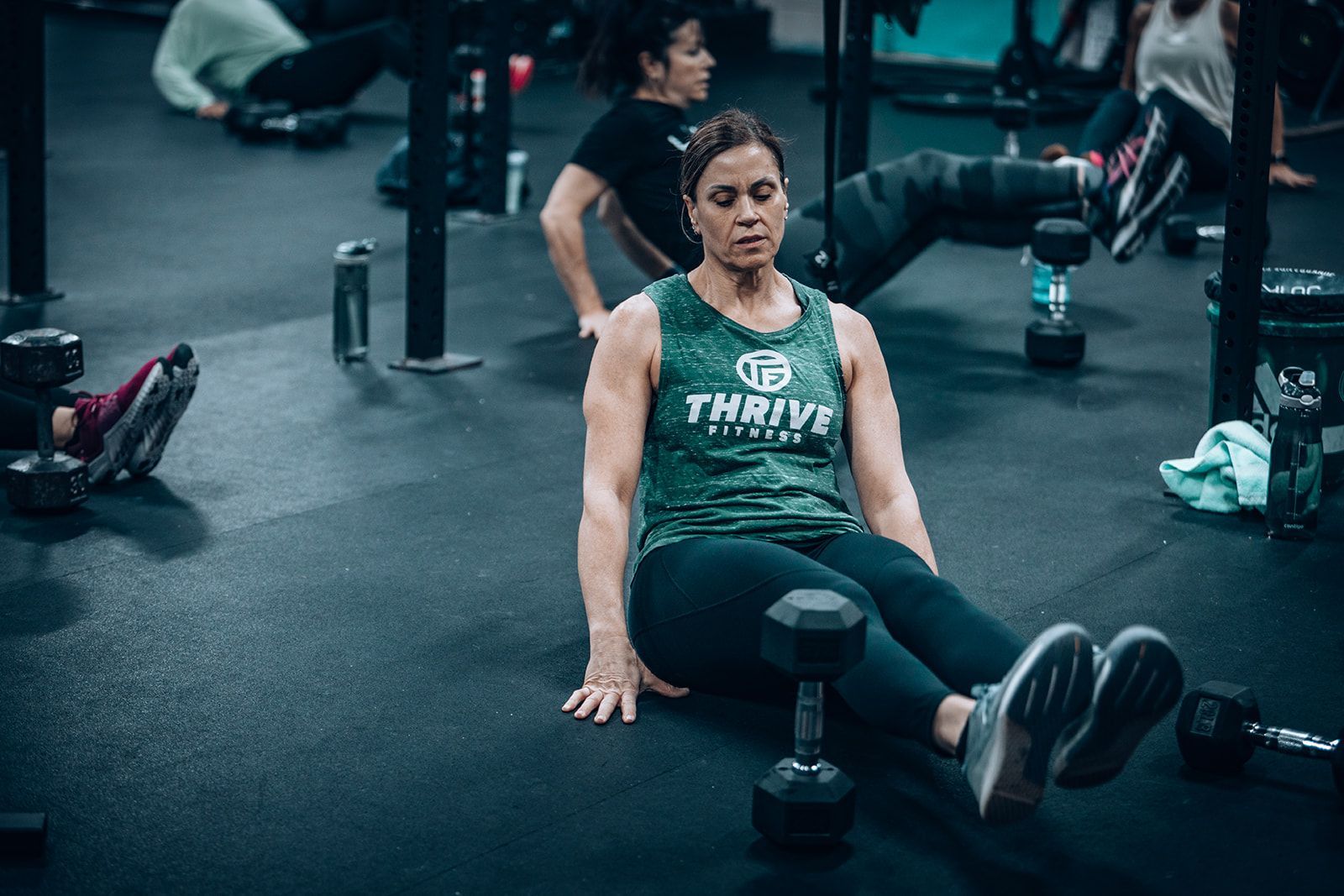
f you're in your 40s or 50s and suddenly feel like your body isn't responding the way it used to, you're not imagining it.
Maybe you're gaining weight differently. Your energy isn't the same. You're not recovering from workouts as quickly. Your joints feel a little more beat up, or workouts that used to work for you just don't seem to anymore.
Perimenopause and menopause can bring a lot of changes — and it can be frustrating when your old approach to fitness stops feeling effective.
At Thrive Fitness in Mickleton, NJ, we believe this stage of life isn't the time to give up on getting stronger.
It's actually a really important time to prioritize it.
Why Does Fitness Feel Different During Menopause?
Menopause involves changes in hormones, including declining estrogen levels. Along with the normal effects of aging, this transition can be associated with changes in muscle mass, bone health, body composition, sleep, recovery, and how you feel day to day.
That doesn't mean you need some completely different "menopause workout." But it does mean your training should have a purpose. Instead of constantly trying to burn more calories, a good program should focus on building and maintaining strength, muscle, cardiovascular fitness, mobility, and overall capacity.
The goal isn't simply to weigh less. It's to build a stronger, more capable body for the decades ahead.
Strength Training Becomes Even More Important
One of our biggest priorities for women in their 40s, 50s, and beyond is maintaining and building muscle.
That means actually strength training — not just doing endless circuits with light weights because you're afraid of getting "bulky."
A well-designed program should progressively challenge you over time.
That might include exercises such as squats, deadlift variations, presses, rows, carries, step-ups, split squats, and other movements selected around your individual abilities.
You don't have to start heavy.
You have to start where you are and progressively get stronger.
Stop Letting the Scale Be Your Only Measure of Progress
This is a big one.
If the only thing you're measuring is body weight, you may be missing some of the most important changes happening from your training.
We want to know:
- Are you getting stronger?
- Are you building or maintaining muscle?
- Is your body composition improving?
- Do you have more energy?
- Are everyday activities getting easier?
- Are you moving better?
- Do you feel more confident?
At Thrive, we can use InBody assessments along with strength and fitness benchmarks to give you a much better picture of your progress than simply stepping on a bathroom scale.
Sometimes the number on the scale doesn't change dramatically while your body absolutely does.
Your Training Should Adjust to Your Recovery
You don't need to crush yourself every workout to get results. In fact, doing more isn't always better.
Sleep, stress, work, family responsibilities, nutrition, and menopause symptoms can all affect how prepared you feel to train on a particular day. Good coaching takes that into account. There may be days when you're ready to push. There may be other days when we adjust the load, volume, exercise, or intensity and simply focus on having a productive training session. That's not failing your workout.
That's training intelligently and staying consistent.
What About Cardio?
Cardio still matters. But you don't need every workout to leave you lying on the floor.
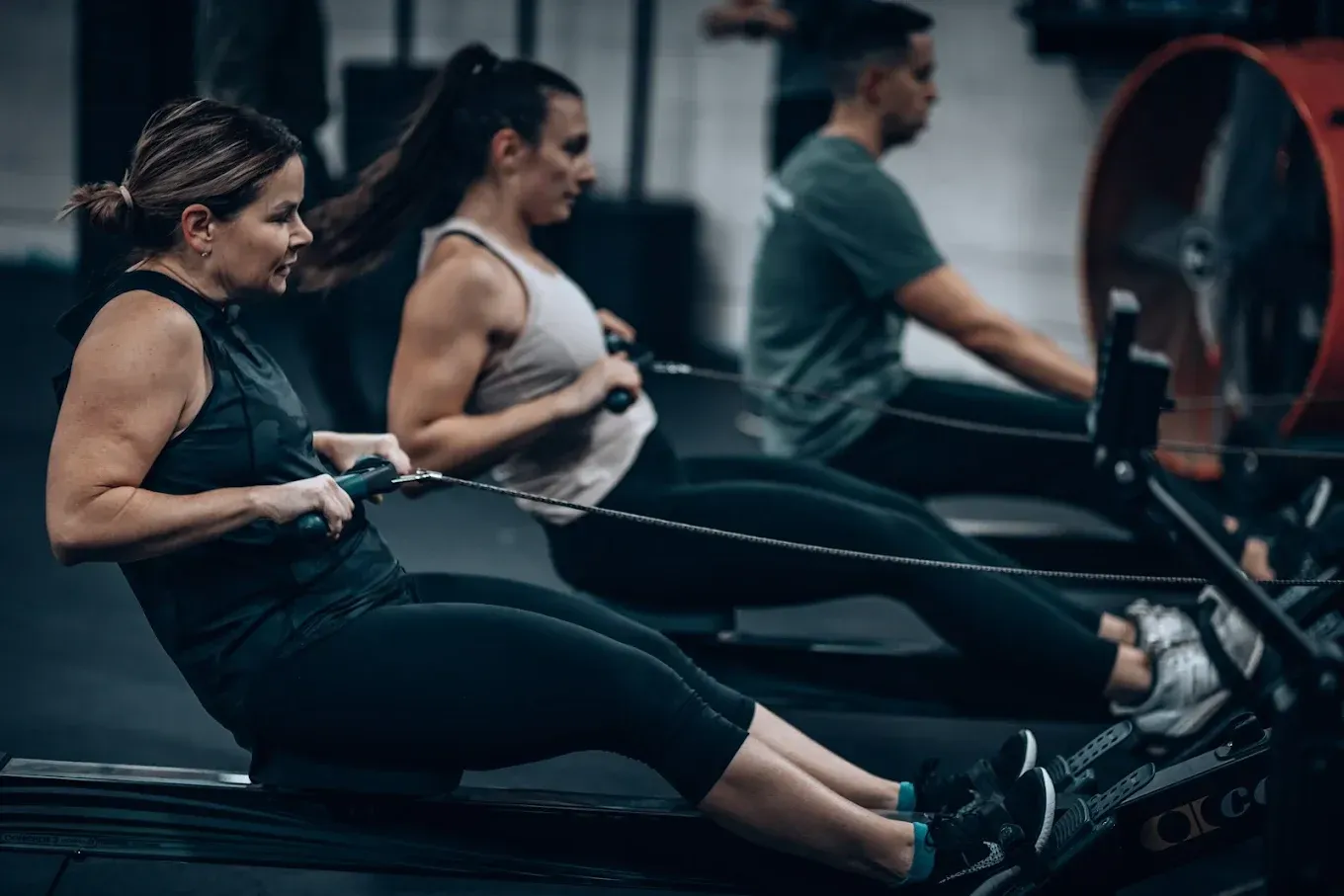
We like to use a combination of strength training and cardiovascular work based on the individual. That can include lower-intensity aerobic training, harder conditioning sessions, walking, and other activities you enjoy outside the gym.
The goal is to build both strength and cardiovascular fitness rather than relying exclusively on one or the other.
What If My Joints Hurt?
This is another reason coaching can be valuable.
If your knees, hips, shoulders, or back don't tolerate a particular exercise well, that doesn't necessarily mean you can't strength train.
We can change the range of motion, resistance, equipment, exercise variation, tempo, or movement entirely.
There are usually plenty of ways to train around limitations while still making progress.
However, your personal trainer isn't your physician or physical therapist.
New or significant pain, injuries, medical concerns, osteoporosis, and questions about hormone therapy or menopause symptoms should be discussed with an appropriate healthcare professional.
Our role is to work within those recommendations and help you build strength safely and progressively.
Should Nutrition Change During Menopause?
Nutrition becomes an important part of the conversation too. Instead of jumping from diet to diet, we generally want to establish sustainable habits that support your training and goals. That includes paying attention to things like protein intake, overall food quality, hydration, and total calorie intake based on your individual needs. You don't need to starve yourself. And you don't need to eliminate every food you enjoy. The goal is finding an approach you can actually maintain.
Why Coaching Can Make Such a Difference
The internet isn't short on menopause workout plans. The problem is figuring out which one is right for you. That's where coaching comes in.
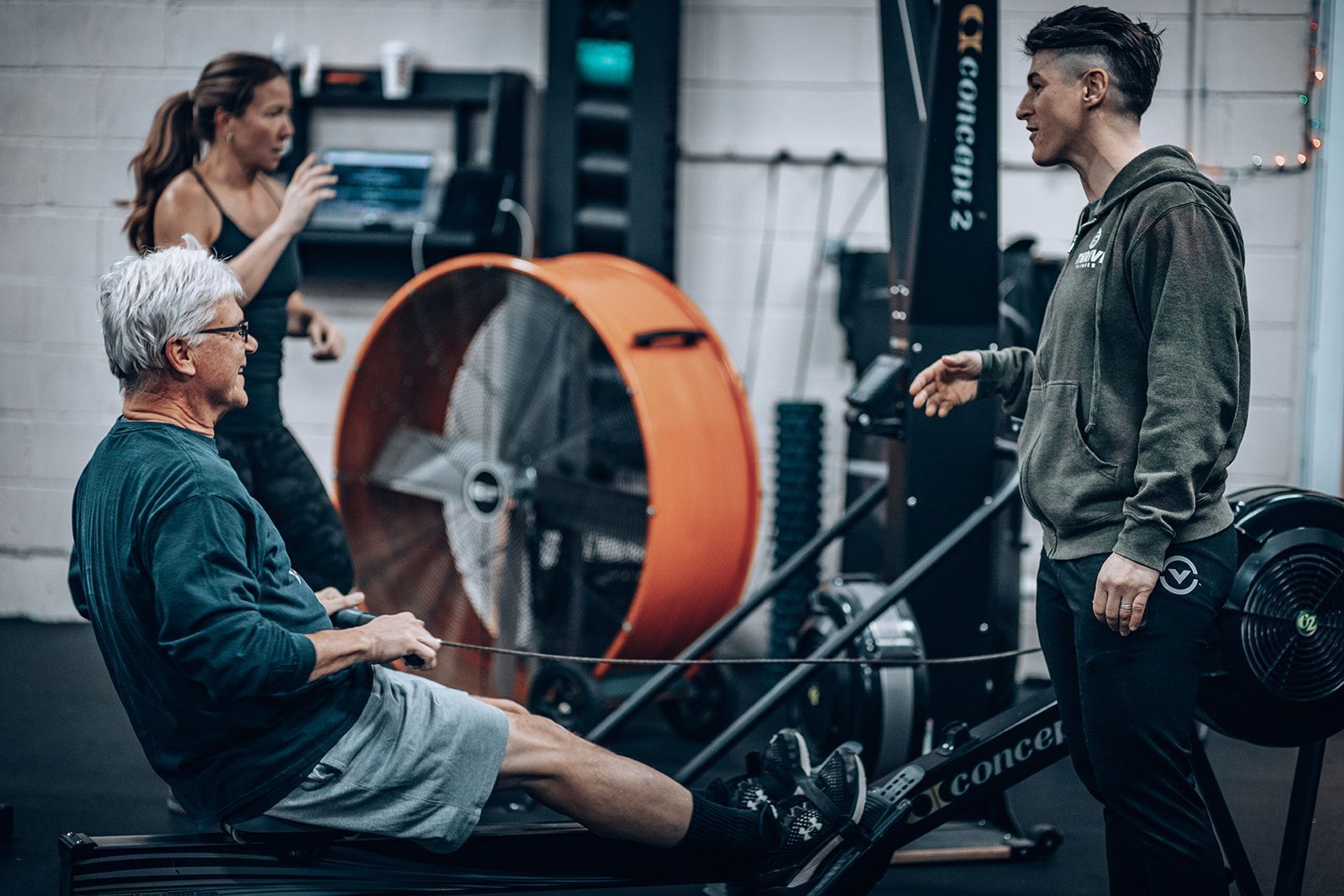
At Thrive Fitness, we can adjust your program based on your experience, goals, injuries, current fitness level, schedule, and how your body responds to training. You don't have to figure everything out on your own. And you definitely don't have to walk into a gym and wonder what you're supposed to be doing.
"But I Haven't Worked Out in Years."
That's okay. You don't have to get in shape before you start. Whether you haven't exercised in five years, you've always been active, or you've recently realized that your old fitness routine isn't working anymore, we meet you where you are.
Your first few weeks shouldn't destroy you. They should establish a foundation that we can build on. From there, we gradually increase what your body is capable of doing.
Personal Training for Women in Swedesboro, Mullica Hill & Gloucester County
Thrive Fitness is located in Mickleton, NJ, and works with adults from Swedesboro, Mullica Hill, Woolwich Township, East Greenwich, Mount Royal, Clarksboro, and surrounding Gloucester County communities.
Our focus isn't on making you fit into a predetermined workout.
It's figuring out the right training approach for your body, your goals, and your life.
Depending on what you need, that might mean Personal Training, Semi-Private Training, or Small Group Training.
What Should You Look for in a Personal Trainer During Menopause?
Ask questions.
A good coach should be able to explain why you're doing what you're doing.
Ask them:
- How will we progressively build strength?
- How will you adjust my program if something hurts?
- How will we measure progress besides body weight?
- What happens if I'm not recovering well?
- How will my program change as I get stronger?
- You shouldn't just be paying someone to count your reps.
- You should be getting coaching, progression, accountability, and a plan.
Ready to Feel Strong Again?
Your 40s, 50s, and beyond don't have to be about trying to get your "old body" back.
We'd rather help you build the body you need for what's ahead.
One that's strong.
Capable.
Resilient.
And able to keep doing the things you love.
If you're looking for a personal trainer near Swedesboro, Mullica Hill, Mickleton, or Gloucester County, NJ, come talk with us at Thrive Fitness.
We'll learn about where you are now, what you're struggling with, and what you want to accomplish — and help you figure out the right place to start.
Ready to get started? Book a free strategy session with Thrive Fitness.
Thrive Fitness
411 Southgate Court
Mickleton, NJ 08056